SW18 deep cleaning guide for Wandsworth flats and landlords
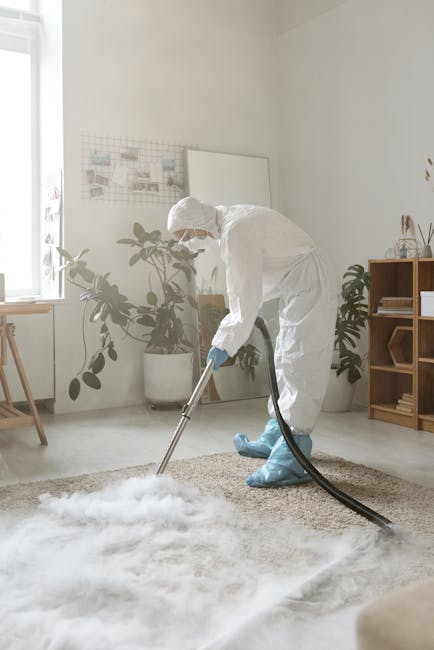
If you manage a flat in SW18, or you are getting one ready for a new tenant, deep cleaning can feel like one of those jobs that looks simple until you actually start. Grease settles behind the hob, limescale clings to taps, skirting boards collect dust in the corners, and suddenly a "quick tidy" is nowhere near enough. This SW18 deep cleaning guide for Wandsworth flats and landlords explains what really needs attention, how a proper clean should be planned, and where the small details make the biggest difference. It is written for real homes, real deadlines, and the slightly awkward reality of London lettings.
Whether you are preparing for inventory, mid-tenancy maintenance, or the end of a tenancy, the aim is the same: make the flat hygienic, presentable, and ready for inspection without wasting time on the wrong tasks.
Why SW18 deep cleaning guide for Wandsworth flats and landlords Matters
Deep cleaning is not just a cosmetic reset. In a compact Wandsworth flat, dirt builds up faster than people expect because space is tight, airflow can be limited, and busy lives leave little room for detailed maintenance. If you are a landlord, that matters because first impressions affect viewings, tenant confidence, and how smoothly a check-in or check-out goes. If you are a tenant, it matters because a well-cleaned flat is easier to hand back, easier to live in, and less likely to spark arguments over standards.
Let's face it, the places that cause the most trouble are usually the ones nobody notices day to day: the top edge of a door frame, inside extractor covers, under kitchen kickboards, the grout line behind a bath panel. Those are exactly the areas that an ordinary weekly clean skips. A proper deep clean resets the property in a way that feels visible the moment you walk in.
For landlords in SW18, deep cleaning also helps protect the condition of the property over time. Built-up grime can stain surfaces, trap odours, and make minor wear look worse than it really is. That can be especially useful between tenancies, after decorating, or when a flat has had a period of heavy occupancy. If the job needs a more structured refresh, it can sit alongside professional deep cleaning or broader one-off cleaning support, depending on the level of work needed.
Practical takeaway: deep cleaning is most valuable when you need the flat to feel genuinely reset, not merely "surface clean." In rental property terms, that difference is bigger than it sounds.
How SW18 deep cleaning guide for Wandsworth flats and landlords Works
A proper deep clean follows a sequence. The order matters, because cleaning in the wrong order just moves dust, streaks, or grease from one surface to another. In a flat, the process usually starts high and ends low: ceiling corners, light fittings, tops of cupboards, shelves, then work down through walls, fixtures, floors, and finally the soft furnishings.
In practice, the work often divides into zones. Kitchen, bathroom, living spaces, bedrooms, hallway, and utility or storage areas each need a slightly different approach. A kitchen is about degreasing and sanitising. A bathroom is about limescale, mould-prone edges, and disinfecting touch points. Bedrooms and living rooms need dust removal, upholstery care, and floor treatment. A flat that has had recent renovations may also need after builders cleaning if dust and residue are still clinging to surfaces.
The best results come from using the right method for the material. Not every surface should be scrubbed the same way. Wooden floors, laminate, sealed stone, tiles, painted woodwork, and fabric upholstery all need different handling. That is where a good cleaner or cleaning company earns its keep. A sensible team will work methodically rather than aggressively, because aggressive cleaning often causes more problems than it solves. A shiny surface can still be damaged, sadly.
For landlords, it helps to think of the process as three layers: visible cleaning, hygiene cleaning, and detail cleaning. The first layer makes the flat look good. The second makes it feel safe and fresh. The third is what stops a surveyor, inventory clerk, or incoming tenant from spotting missed grime in the awkward corners.
Key Benefits and Practical Advantages
There are a few obvious benefits, but the more useful ones are often the quieter ones. Here is what a thorough deep clean usually gives you in a SW18 flat:
- Better presentation for viewings: clean rooms look brighter, larger, and more cared for. In a compact flat, that matters a lot.
- Less friction at check-out or check-in: clear standards reduce disputes about cleaning condition.
- Improved hygiene: kitchens, bathrooms, and high-touch points are properly sanitised.
- Odour reduction: lingering smells from cooking, pets, or damp fabrics are tackled rather than masked.
- Longer life for surfaces: regular deep cleaning can slow deterioration on floors, upholstery, and fittings.
- Better tenant experience: people settle faster into a flat that feels genuinely fresh.
There is also a commercial advantage for landlords that is easy to underestimate. A clean property photographs better. That translates into stronger listings, fewer awkward first impressions, and sometimes a faster let. You do not need a film set. You just need the taps to sparkle, the carpets to look respectable, and the windows to let in the light.
If soft furnishings or floor coverings are part of the issue, targeted services such as carpet cleaning, sofa cleaning, upholstery cleaning, and window cleaning can make the whole flat feel more complete. One thing leads to another, really.
Who This Is For and When It Makes Sense
This guide is useful for several groups, even if their goals are slightly different.
Landlords
If you let flats in SW18, deep cleaning makes the handover smoother. It is especially useful between tenancies, after a long-term let, or when a property has been occupied by multiple sharers. A landlord does not need perfection in the artistic sense, but they do need consistency and a property that meets a reasonable, professional standard.
Tenants
If you are moving out, a deep clean helps you avoid rushed last-minute scrubbing and reduces the chance of leaving behind avoidable mess. It also helps if you are trying to recover a deposit and want the property to reflect fair wear rather than avoidable neglect. If a tenancy is ending, you may also want to look at end of tenancy cleaning, which is often the most practical option when there is a hard deadline.
Letting agents and property managers
For agents, deep cleaning keeps turnovers moving. It can help with inventory readiness, snagging, and staging before photos. It is one of those tasks nobody praises when it is done, but everybody notices when it is not.
Homeowners and private residents
Even if the flat is not changing hands, a one-off deep clean can be the right answer after illness, a busy season, a family event, or months of neglect. And yes, plenty of people in London reach that point quietly after saying "I'll sort it this weekend" for about six weekends in a row.
Step-by-Step Guidance
If you are planning the clean yourself, or briefing a cleaner, this is the most practical way to approach it.
- Walk the flat first. Make a room-by-room note of visible dirt, odours, stains, limescale, dust build-up, and any damaged surfaces.
- Declutter before cleaning. Bags, personal items, old paperwork, and loose clutter should come out first. Cleaning around piles of stuff is fake efficiency.
- Start with dry removal. Dust, crumbs, cobwebs, and loose debris should be removed before wet cleaning begins.
- Tackle the kitchen. Degrease splashbacks, worktops, cupboard fronts, handles, sink areas, extractor exteriors, and appliance surfaces.
- Focus on the bathroom. Descale taps, shower screens, tiles, trays, toilet areas, and sealant lines. Check behind and around the loo too, because that is where the hidden grime lives.
- Deep clean soft furnishings and floors. Vacuum thoroughly, then address stains or embedded dirt with the correct method for the material. For harder surfaces, consider hard floor cleaning if the flooring needs more than a mop.
- Wipe detailed touch points. Switches, door handles, skirting boards, bannisters, window sills, and radiator fronts all need attention.
- Finish with glass and final checks. Mirrors, internal glass, and windows should be streak-free. Then do a slow final walk-through in daylight if possible.
That last walk-through is worth a lot. Morning light near a Wandsworth window will show things you missed at 7 p.m. under yellow bulbs. Dust on a shelf, a smear on a cupboard, a small splash on a tile. The flat tells on you.
Expert Tips for Better Results
Here are the small, real-world habits that separate a decent clean from a genuinely strong one.
- Use the right cloths for the job. Microfibre is useful for most wipe-down work, but some grease or limescale needs a different approach.
- Don't over-wet surfaces. That is how streaks, swelling, and damage happen on wood and laminate.
- Open windows where you can. Fresh air helps with drying and reduces that heavy "cleaner smell" that can linger.
- Work from top to bottom. It sounds obvious, but people still start at the floor and wonder why they are re-cleaning dust later.
- Give stubborn areas time. Let descaling or degreasing products sit briefly before wiping. Rushing is usually the enemy.
- Prioritise high-touch points. Handles, switches, taps, and remote controls can make a room feel cleaner very quickly.
If the flat has fabric chairs, mattresses, or a tired-looking lounge set, specialist sofa cleaning and upholstery cleaning can lift the whole space more than a dozen random wipes ever will. It is a bit unfair, but upholstery shows everything.
For landlords, one practical tip is to take before-and-after photos of key areas. Not because you want to be dramatic, just because it helps document condition and can save time if there is any question later.
Common Mistakes to Avoid
Most deep-clean problems are not caused by laziness. They come from bad sequencing, wrong products, or underestimating how much detail a flat actually needs.
- Cleaning only the visible areas. Inside cupboards, behind appliances, and around fittings matter too.
- Using one cleaner for everything. A spray that is fine on glass may be poor on stone, wood, or fabric.
- Ignoring odours. A flat can look clean and still smell stale from bins, drains, soft furnishings, or damp corners.
- Forgetting ventilation and drying time. A freshly cleaned room can still feel unpleasant if it stays damp.
- Leaving the kitchen until last. Grease then spreads to cloths, hands, and other rooms.
- Missing entry points. Hallways, doors, and thresholds shape the first impression. Small thing, big impact.
To be fair, the hardest mistake to spot is the one you make after a long day: you stop too early. The room looks okay, so you call it done. But "okay" is usually not enough for an inventory or a landlord handover.
Tools, Resources and Recommendations
You do not need a warehouse full of kit to deep clean a flat properly, but you do need the right basics and a sensible plan.
- Microfibre cloths for dusting and polishing
- A vacuum with suitable attachments for skirting boards, corners, and upholstery
- A mop or flat mop for sealed hard floors
- Non-abrasive sponges for delicate surfaces
- Separate cloths for kitchen, bathroom, and general surfaces
- Rubber gloves for protection and better grip
- Scraper or specialist tool for stubborn residue, used carefully
For property owners who prefer professional support, a reputable cleaning company can combine general deep cleaning with room-specific tasks such as oven cleaning, rug cleaning, and carpet cleaner services where needed. That mix is often more efficient than booking several separate visits and hoping they all line up neatly.
If the property has been affected by recent works or dust-heavy refurbishment, it can also help to pair deep cleaning with after builders cleaning. And if the issue is more about overflow clutter or clearing out the property first, house clearance may be the sensible starting point before any cleaning begins.
Law, Compliance, Standards, or Best Practice
For Wandsworth flats and landlords, the important point is not to turn cleaning into a legal maze. It is more about acting reasonably, keeping standards consistent, and using safe working practices.
Landlords in the UK are generally expected to return properties in a condition that reflects fair use, subject to tenancy agreements, inventories, and the facts of the case. That means a deep clean should be judged against the condition at check-in, the length of occupancy, and normal wear. It should not be treated like a punishment, but it should not be treated casually either. Reasonableness is the word that keeps coming back.
From a safety perspective, cleaning teams should follow sensible handling practices for chemicals, equipment, and working at height where required. Safe use of ladders, proper ventilation, and correct dilution all matter. If you are hiring help, it is fair to ask about health and safety policy and insurance and safety. That is not being fussy. It is basic due diligence.
Privacy and access also matter in occupied flats. If cleaners need to enter while a tenant is away, appointments should be arranged clearly and respectfully. Any responsible provider should also have straightforward paperwork around service terms and payment. You can check terms and conditions and payment and security if you are reviewing a service provider's process.
For landlords with sustainability goals or shared-building concerns, waste handling and material choices can be discussed in line with recycling and sustainability practices. It is not glamorous, but it does matter.
Options, Methods, or Comparison Table
Not every flat needs the same style of clean. The right choice depends on condition, timing, and whether the flat is occupied.
| Method | Best for | Strengths | Watch-outs |
|---|---|---|---|
| DIY deep clean | Small jobs, regular upkeep, low-risk surfaces | Lower cost, flexible timing, complete control | Time-consuming, easy to miss hidden dirt, can be uneven |
| Professional deep cleaning | End of tenancy, pre-tenancy, busy landlords, time pressure | Faster, more systematic, better for detailed areas | Needs clear briefing and access arrangements |
| Targeted add-on cleaning | Specific problem areas like ovens, carpets, windows, sofas | Good value where one item is holding the flat back | May not solve wider dirt if used alone |
If the flat looks generally fine but the kitchen and soft furnishings are dragging it down, targeted services can be the smart move. If the whole place feels tired, a full deep clean is usually the better call. Ask yourself: do you need to improve one room, or the whole impression?
Case Study or Real-World Example
Here is a typical SW18 scenario. A two-bedroom flat near a busy station has been rented to sharers for eighteen months. The landlord is preparing for new tenants and the inventory photos are booked for the next morning. The flat is not filthy, but it has the usual London rental wear: kitchen grease on cupboard handles, a faint smell from the bins area, dust on skirting boards, and a lounge carpet that looks flat and dull in daylight.
The cleaning plan starts with decluttering and rubbish removal, then moves to the kitchen, bathroom, and windows. The carpet is treated separately because mopping the rest of the flat will not do anything for trapped fibres. The sofa gets attention too because the seating area is what people notice first after the entrance. By the end, the flat does not look "new," because of course it doesn't, but it does look cared for. Fresh. Habitable. Easy to hand over.
That is the real goal, honestly. Not perfection. Just a standard that feels calm, clean, and defensible if anyone asks questions later.
Practical Checklist
Use this checklist before a handover, viewing, or renewal clean.
- All clutter and waste removed from rooms, cupboards, and under sinks
- Kitchen surfaces degreased and wiped
- Oven, hob, extractor, and appliance exteriors cleaned
- Bathroom taps, tiles, screen, toilet, and sealant lines descaled or scrubbed
- Skirting boards, switches, handles, and door frames wiped
- Carpets vacuumed thoroughly and stains treated where possible
- Hard floors cleaned with the correct product for the surface
- Windows, mirrors, and internal glass cleaned streak-free
- Soft furnishings refreshed if they show odour or visible wear
- Bins emptied, liners replaced, and final odours checked
- Final walkthrough completed in good light
If you are short on time, this is the order to protect: kitchen, bathroom, floors, then details. Those are the items that most often decide whether the flat feels properly deep-cleaned or just tidied in a rush.
Get a free quote today and see how much you can save.
Conclusion
A strong SW18 deep cleaning guide for Wandsworth flats and landlords is really about one thing: making the property easier to live in, easier to hand over, and easier to trust. When a flat is cleaned properly, the difference shows in the light, the smell, the touch of the surfaces, and the general sense of order. That may sound simple, but it solves a lot of little problems all at once.
Whether you are preparing for a tenancy change, sorting out a post-refurbishment mess, or just resetting a well-used flat, the best approach is methodical, realistic, and detailed enough to catch what everyday cleaning misses. No drama. Just a proper job, done in the right order.
If you need a more tailored approach for your flat, it is worth speaking with a trusted local cleaner or booking through a reliable cleaners team that understands rental expectations. A tidy flat is nice. A genuinely clean one is better. Much better.
Frequently Asked Questions
What does a deep clean include in a Wandsworth flat?
A deep clean usually includes detailed work in the kitchen, bathroom, bedrooms, living areas, hallways, and floors. It goes beyond surface wiping and targets grease, limescale, dust in corners, touch points, and hidden build-up around fittings and appliances.
How is deep cleaning different from regular cleaning?
Regular cleaning maintains a space. Deep cleaning resets it. The difference is detail and intensity: behind appliances, inside edges, on skirting boards, around taps, and in places that a weekly clean normally skips.
Do landlords in SW18 usually expect professional cleaning?
Not always, but landlords do expect the property to be left in a reasonable, clean condition that matches the tenancy agreement and inventory. Professional cleaning is often the safest choice when time is tight or the flat needs a more thorough finish.
How long does deep cleaning a flat usually take?
It depends on size, condition, and how much detail is needed. A small flat can be manageable in a day, while a larger or heavily used property may need longer. The messier the starting point, the more time you should allow. That is just reality.
Is deep cleaning worth it before new tenants move in?
Yes, because it helps the property present well, feel fresh, and start the tenancy on the right foot. It can also reduce complaints during move-in and make the flat easier to maintain afterwards.
What areas are most often missed during a flat clean?
People often miss the tops of doors, extractor covers, behind taps, inside cupboard edges, skirting boards, window tracks, and the space around appliances. Those are the awkward bits, and they matter more than people think.
Can deep cleaning remove all stains and odours?
Not always. Many stains and odours can be reduced significantly, but results depend on the material, how long the issue has been there, and whether damage has already set in. Some cases need specialist treatment or partial replacement.
Should carpets and upholstery be cleaned separately?
Usually yes. Carpets and upholstery often need specific methods and tools. Targeted services such as carpet, sofa, rug, and upholstery cleaning can make a big difference if the furniture or flooring is carrying most of the wear.
What should a landlord check after a deep clean?
A landlord should check high-touch points, kitchen and bathroom detail, floor condition, odours, visible dust, and the overall finish in daylight. A quick walk-through is not enough. Take your time, even if the schedule is shouting at you.
What is the best time to book deep cleaning for a tenancy change?
The best time is usually after the property has been emptied and before final photos, inventory, or new move-in. That gives the cleaners space to work properly and avoids fresh dirt being introduced afterwards.
Can I combine deep cleaning with other services?
Yes. In many flats, it makes sense to combine deep cleaning with oven cleaning, carpet cleaning, window cleaning, or upholstery work. That is often more efficient than trying to patch up the property with several separate visits.
How do I choose a reliable cleaning provider in SW18?
Look for clear communication, realistic timings, transparent service terms, and sensible safety practices. It also helps if the provider has a straightforward about us page and policies that show how they handle safety, privacy, and complaints. Those details say a lot.
What if the flat has just had renovations?
If there is still construction dust, paint residue, or debris, an after-builders clean is often the better starting point. Once the heavy residue is gone, a normal deep clean can finish the job properly.
Do I need a checklist for check-out cleaning?
Yes, absolutely. A checklist keeps the work focused and makes it easier to prove what was done. It also stops important areas from being forgotten when you are tired and trying to finish late on a Friday.